Guides, criteria and practical resources to connect your business with technology.
Start here · Practical guide
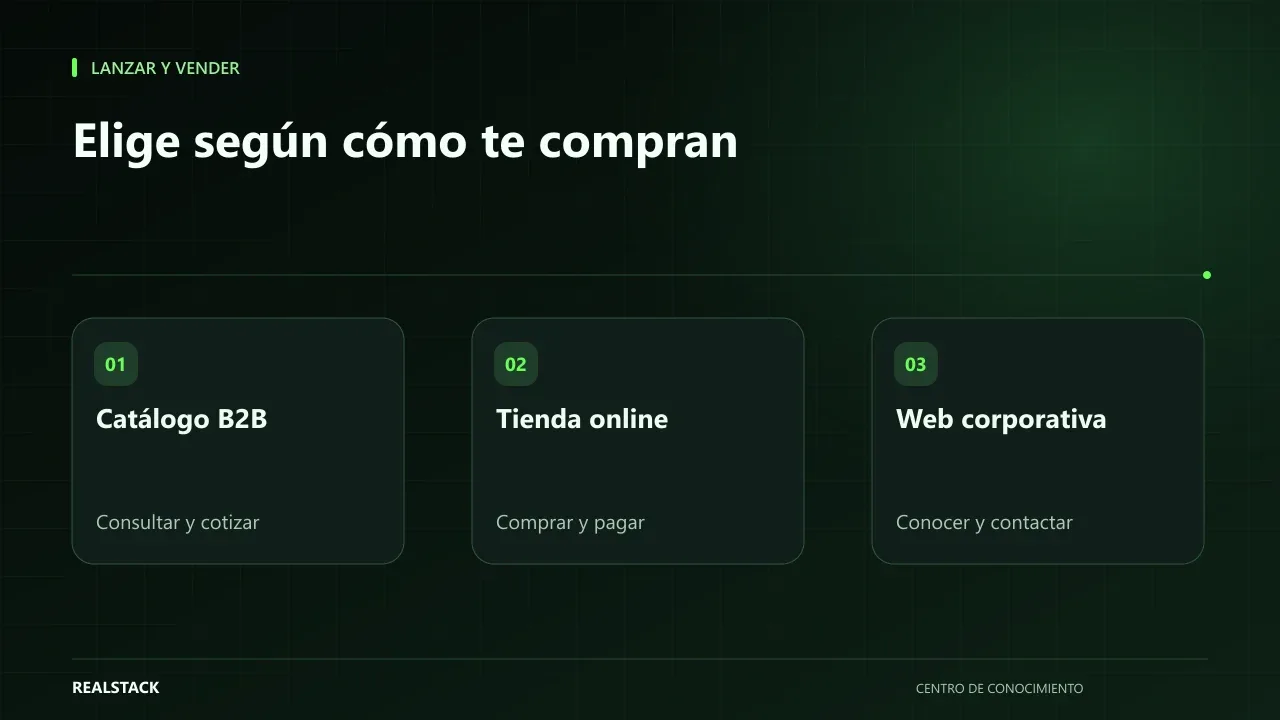
B2B catalog, online store or corporate website: which does your company need
Many B2B companies ask for “a website” when what they really need is to solve how they price, how they sell and which inventory they show. This guide compares B2B catalog, online store and corporate website based on how your customer buys, and provides a matrix to decide with your team before requesting proposals.
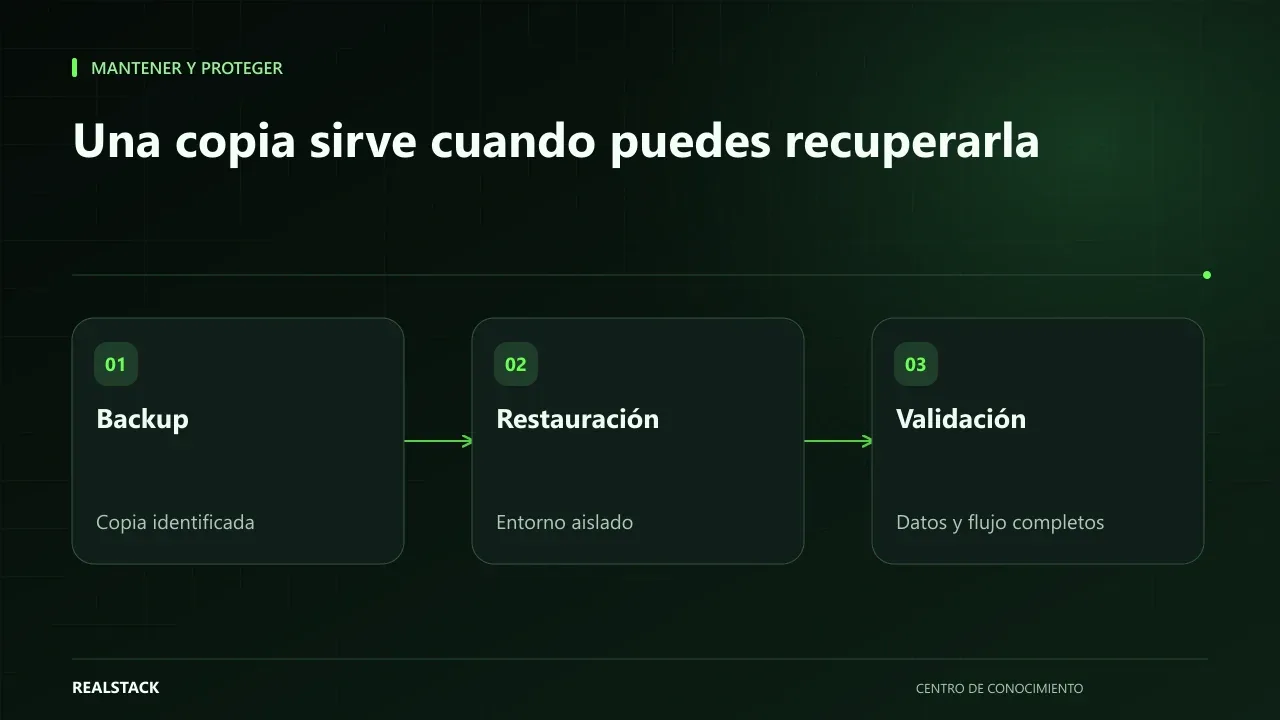
A backup that has never been restored is an assumption. This guide explains how to prepare a restore test in an isolated environment: scope, responsibilities, result validation and evidence, so you know how long it would take to resume operations if something fails.
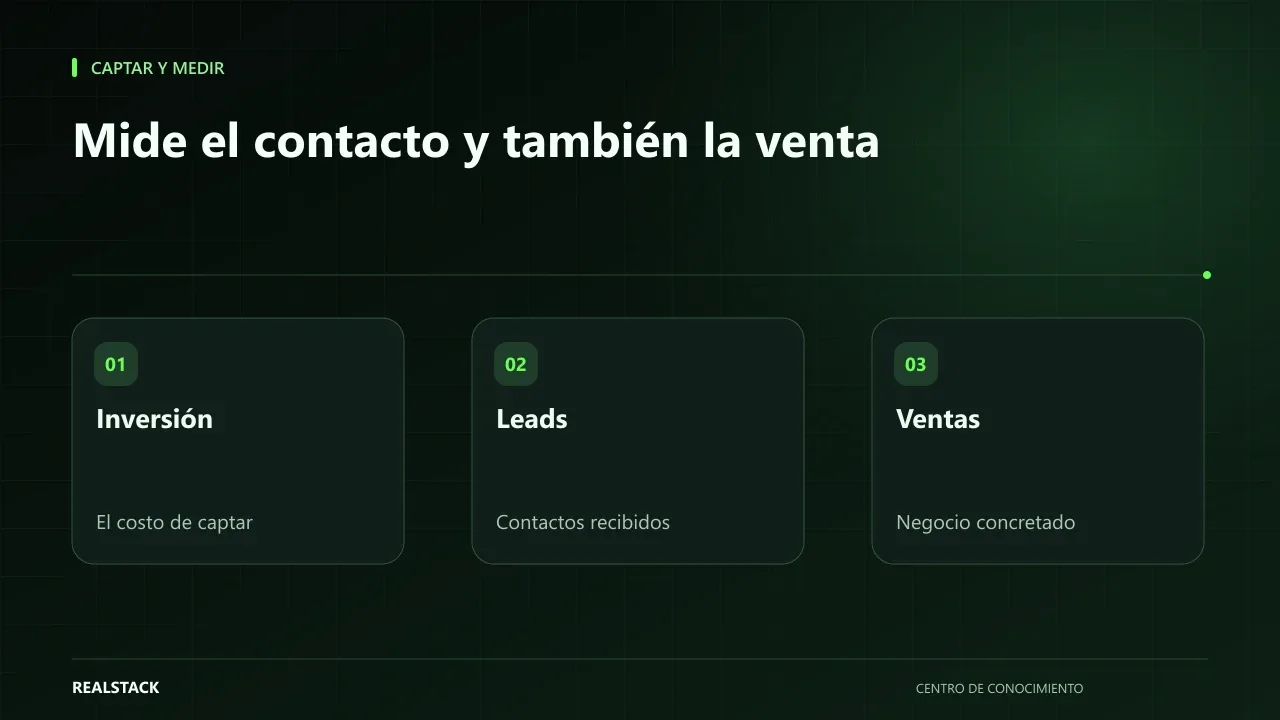
Cost per lead and cost per sale look easy to calculate, but they vary a lot depending on what you count as a lead, which period you use and which costs you include. This guide explains the formulas, time windows and how to read results without comparing yourself to external benchmarks.
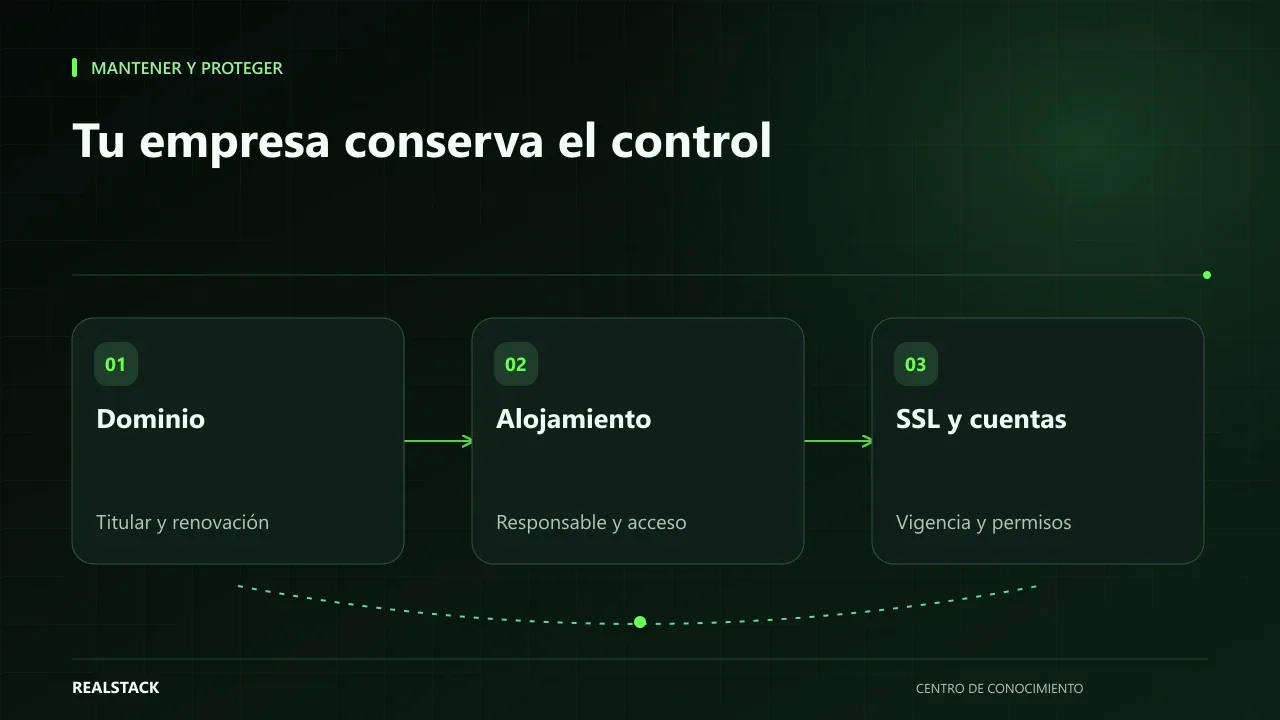
Your domain, hosting, certificates and access credentials are company assets even if a vendor contracted them. This guide explains how to check who is the registered owner, when things expire, who is responsible, and how to inventory them without storing passwords in a spreadsheet.
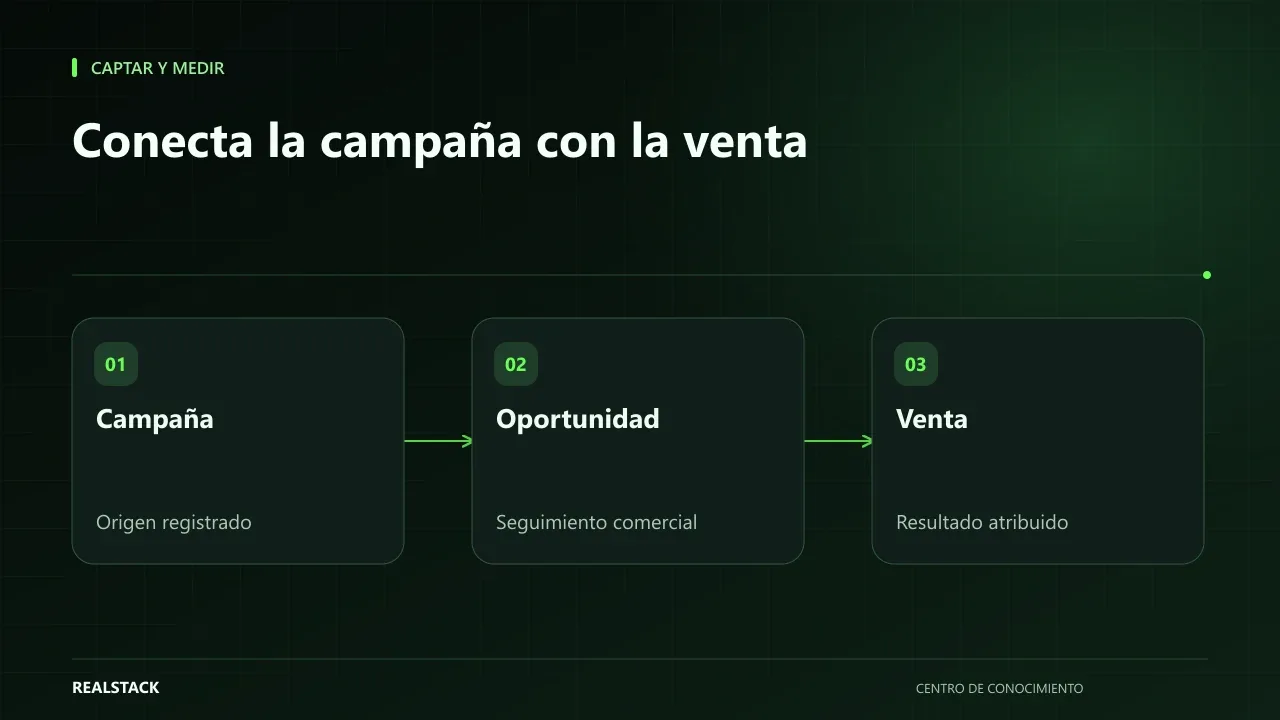
Knowing how many visits a campaign brought is little use if you don't know how many of those visits became sales. This guide explains how to connect the journey from visit to contact, opportunity and sale with source, UTM and identification, and what attribution and consent limits you should keep in mind.
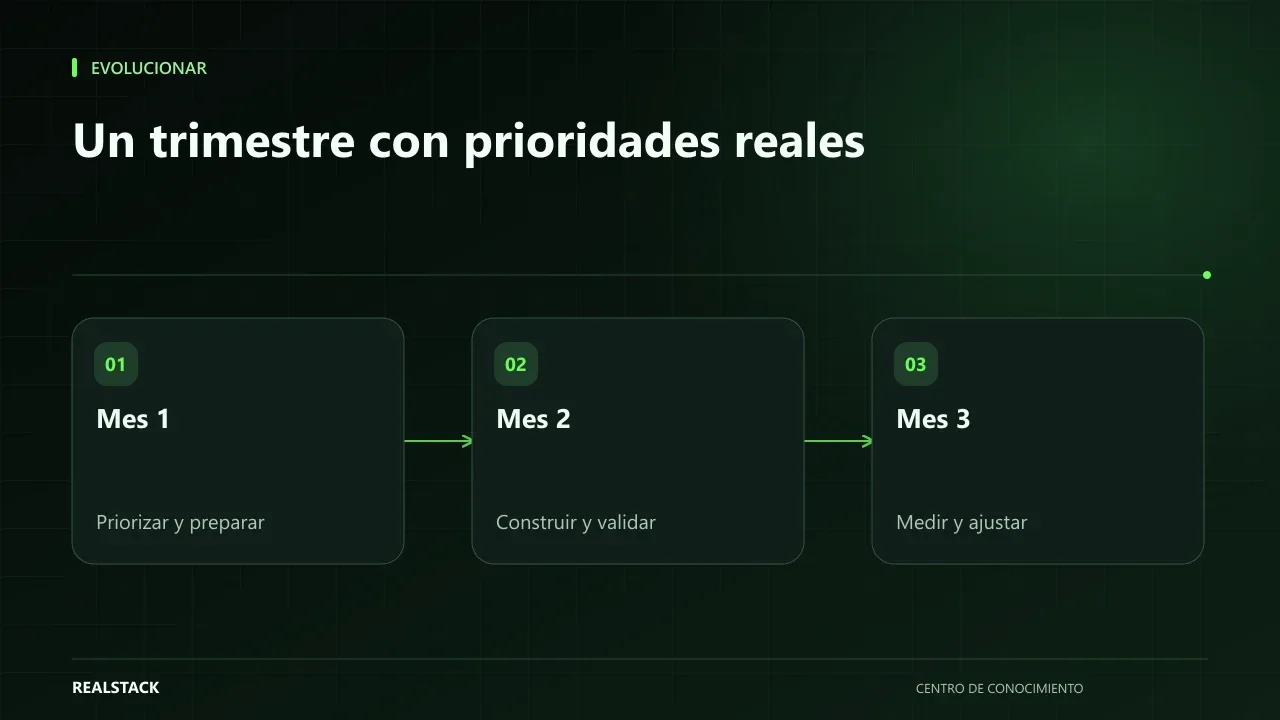
A 90-day roadmap is not a wish list with dates: it is a decision about what to do first with the capacity you actually have. This guide explains how to define goals, prioritize, map dependencies, estimate capacity, and review the plan each month.
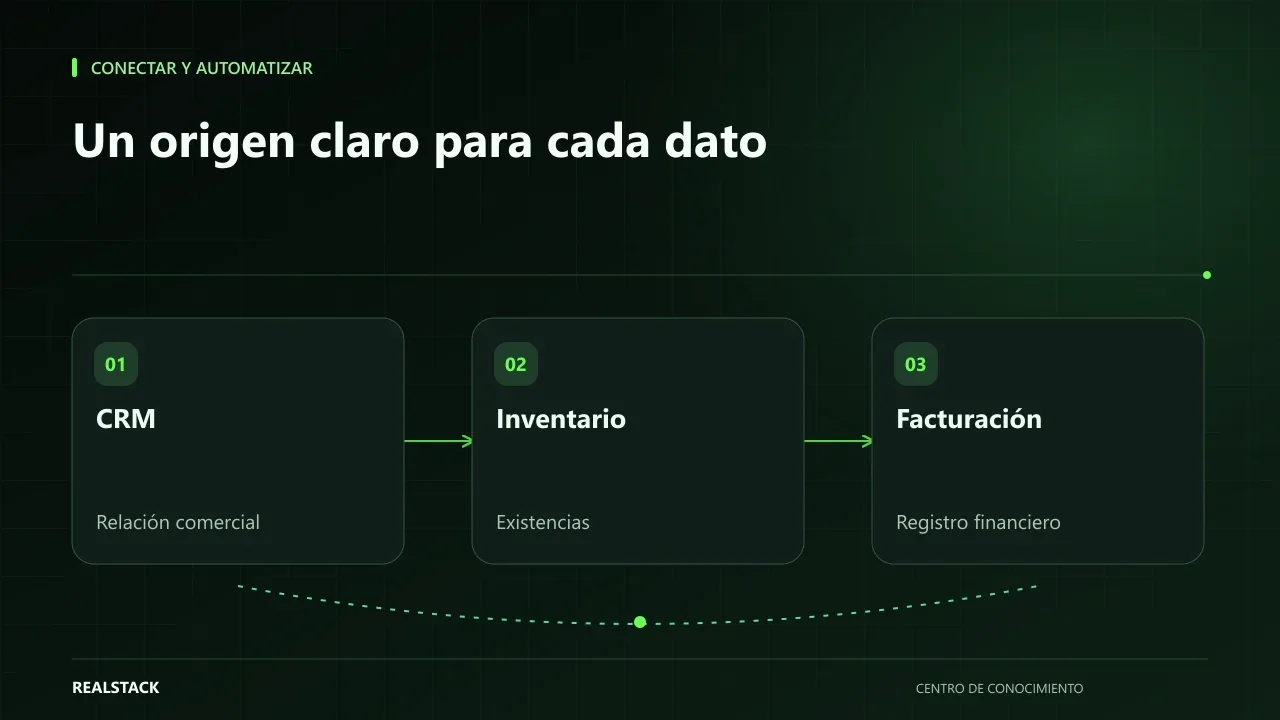
When CRM, inventory and billing don't talk to each other, your team copies the same data multiple times and errors appear at the worst moment. This guide explains how to define master data, owners, synchronization, reconciliation and failure handling, without depending on a specific vendor.
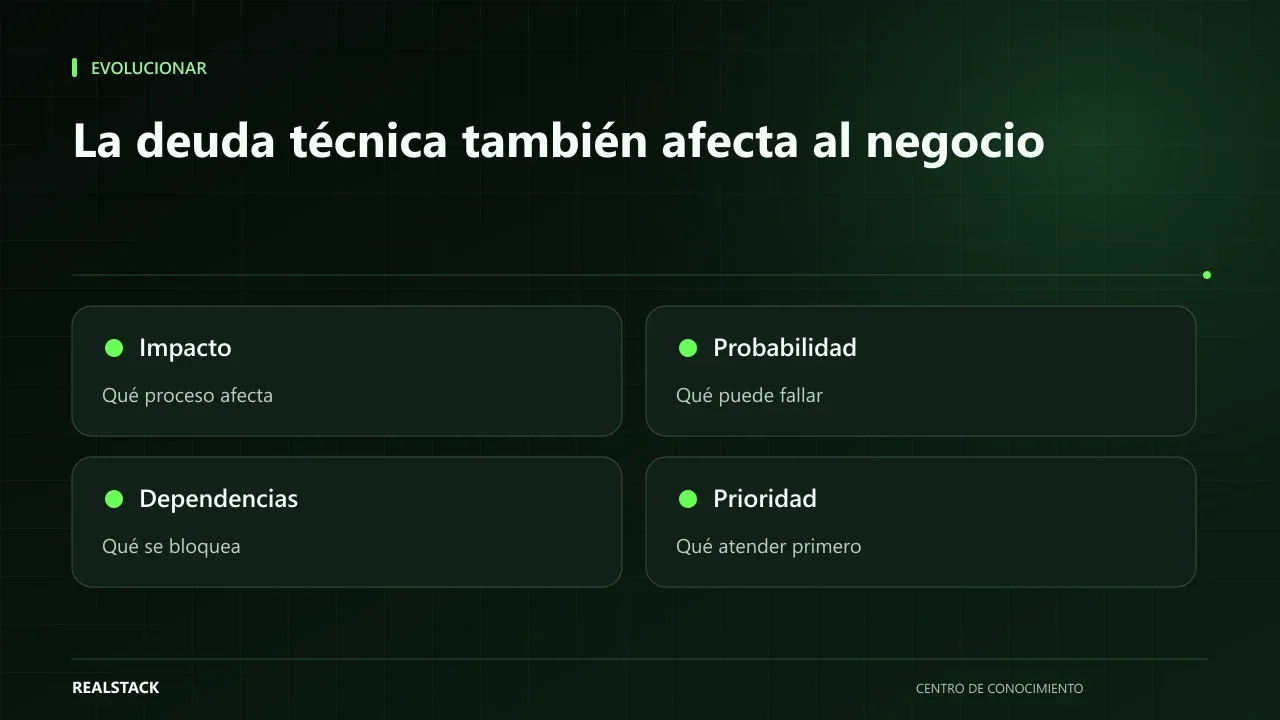
Technical debt is not just a developers' problem: it becomes a business problem when every change takes longer, errors recur, or no one dares to update. This guide explains how to recognize symptoms, gather evidence, estimate risk and prioritize, without diagnosing blindly.
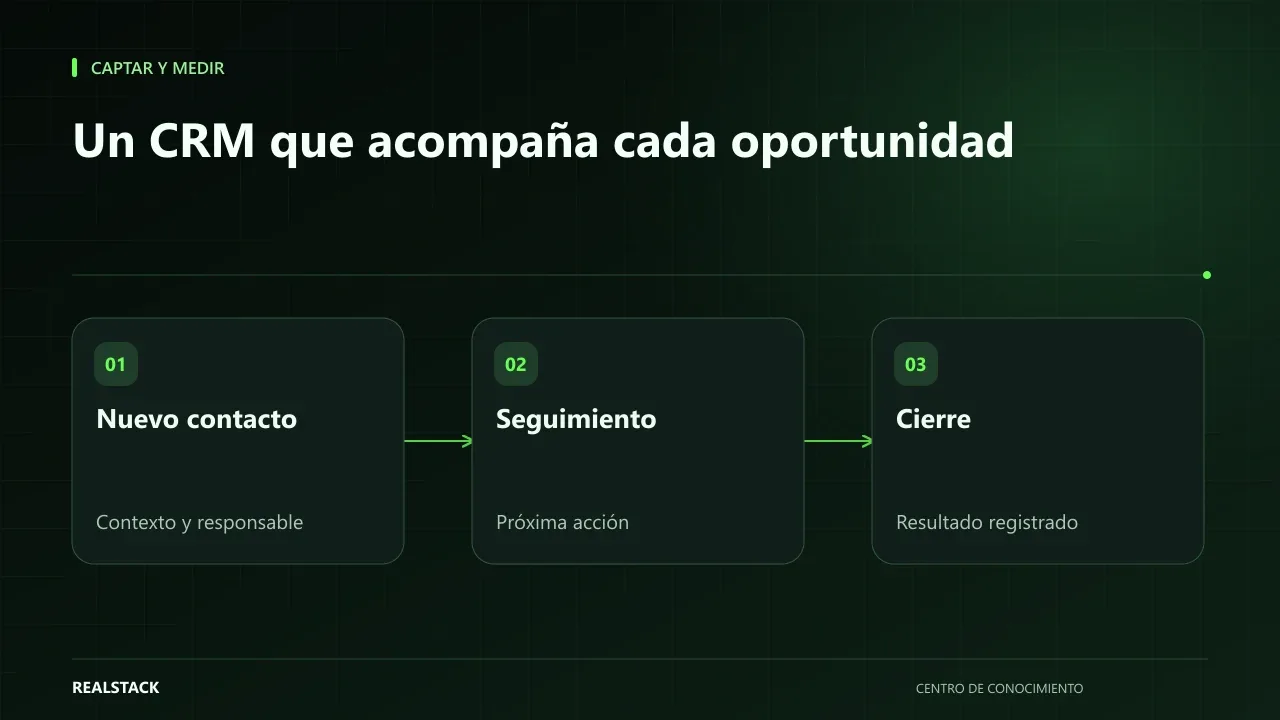
Most CRMs that fail do so not because of the software, but because the team doesn't use them. This guide explains how to implement a simple CRM: few stages, minimal data, clear owners and weekly habits that keep the record alive.
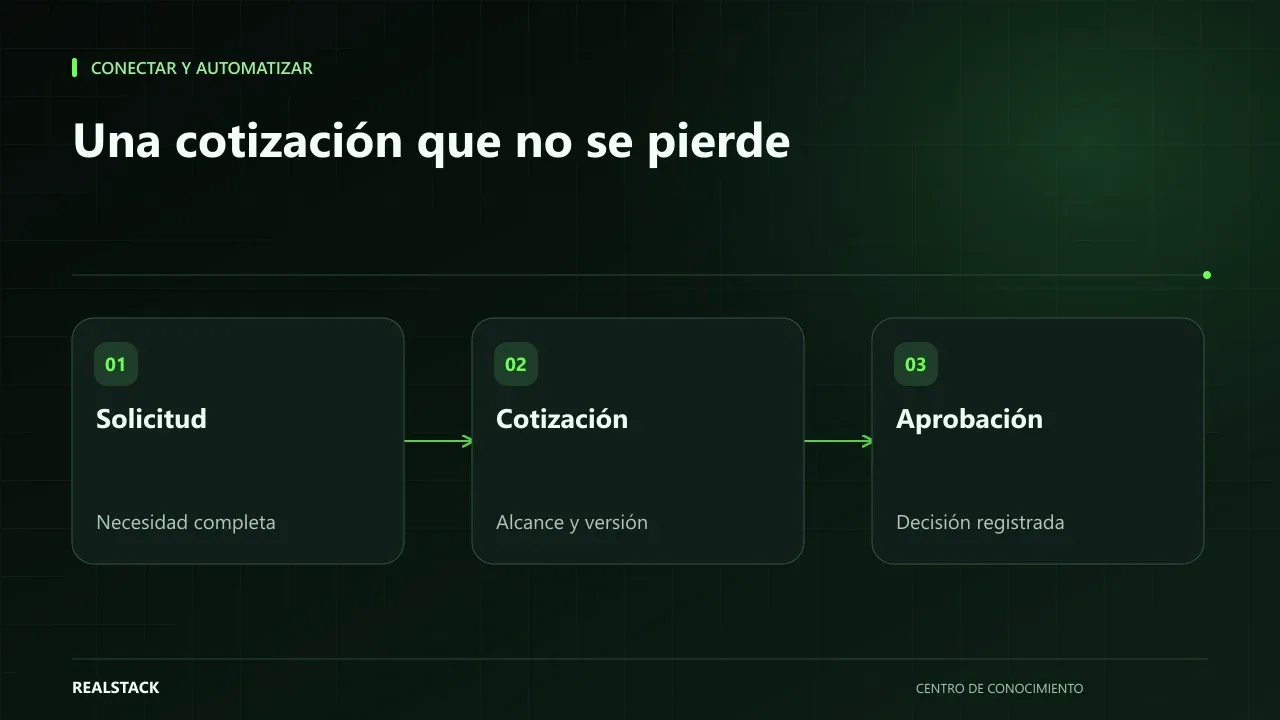
A quote that relies on one person’s memory is slow, approved inconsistently, and lost when that person is absent. This guide teaches you how to map your quoting and approval process: inputs, owners, conditions, outputs, exceptions and follow-up, with a complete example.
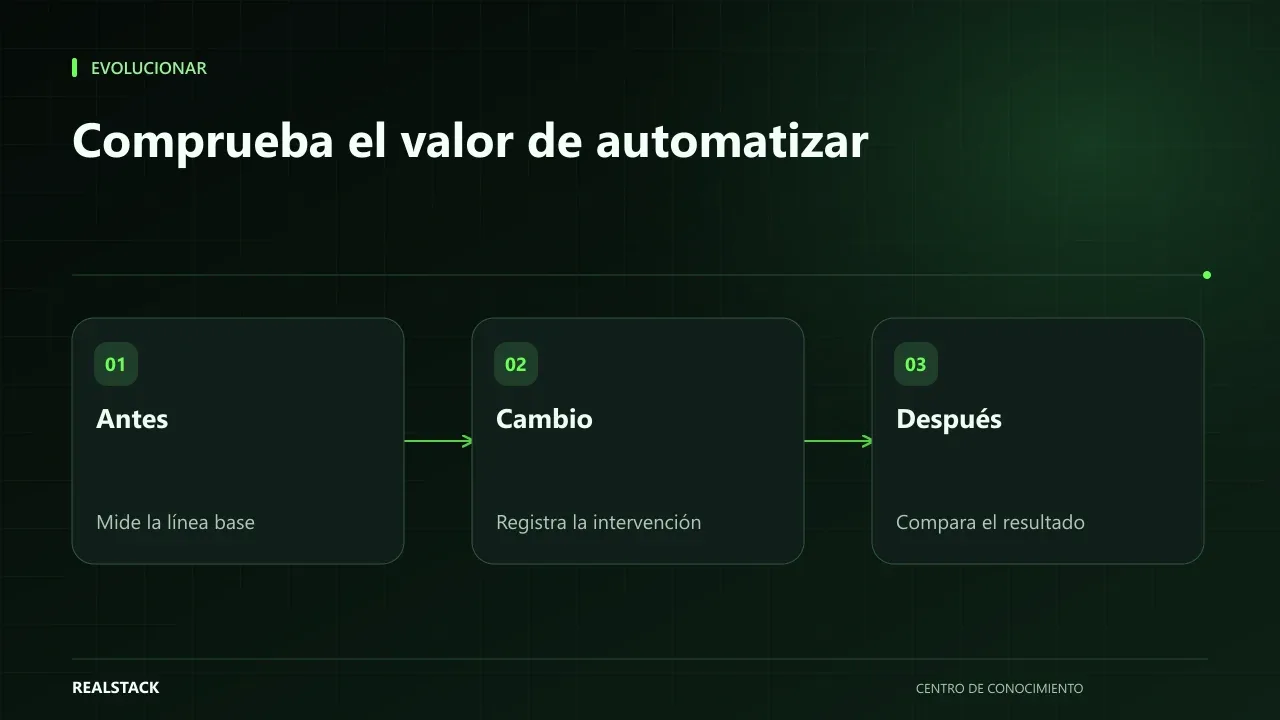
An automation can work technically and still not deliver value if nobody uses it or if it generates more exceptions than it solves. This guide explains how to measure with a baseline, usage, time, errors and exceptions, and how to track results without inflating them.
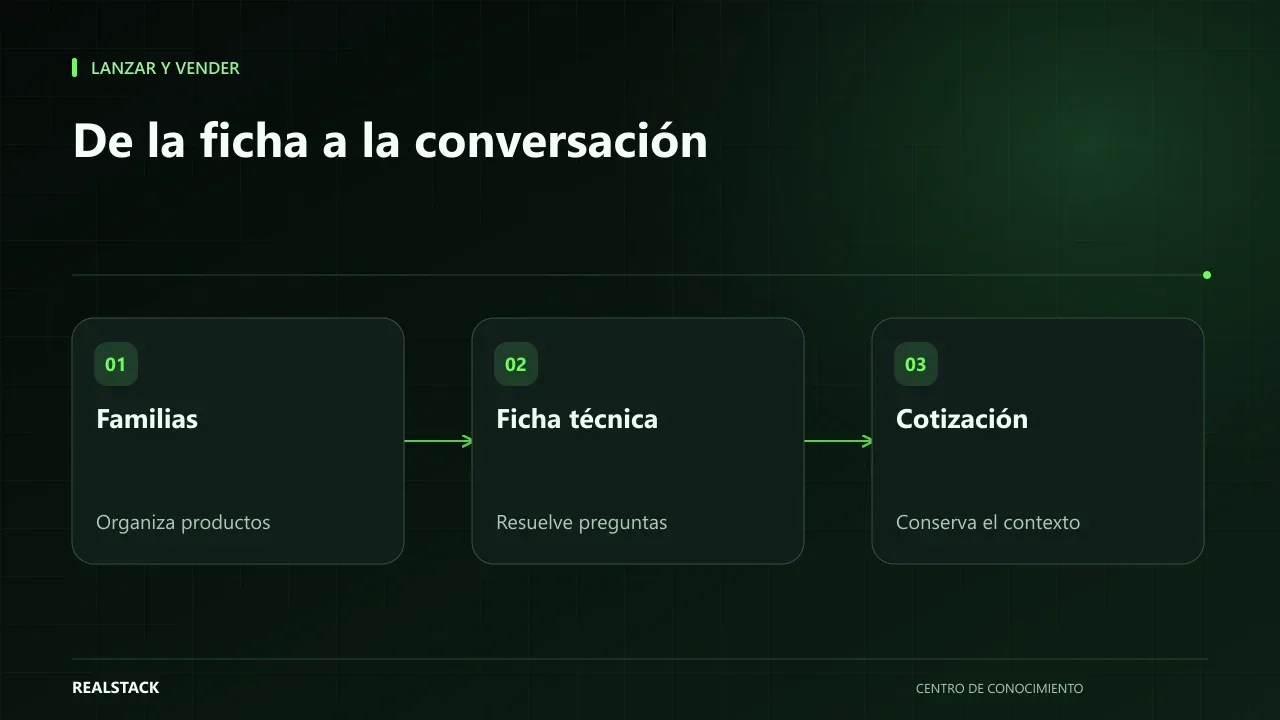
A well-organized industrial catalog reduces repeated inquiries and reaches the salesperson with the correct reference. This guide explains how to structure families, product pages, applications, filters and specifications, and how to link each product page to a clear quote request.
CSV template to build and review a 90-day technology roadmap: objectives, initiatives, prioritization criteria, dependencies, estimated hours, status and monthly review.
CSV template to record cost, leads, and sales by month and channel, and to calculate cost per lead, cost per sale, and close rate. Includes an explanation of each calculation and does not contain executable formulas.
CSV template for a B2B product sheet containing the fields an industrial buyer needs to decide and request a quote: family, applications, specifications, packaging options, downloadable documents and button text. Suitable for phased catalog uploads.
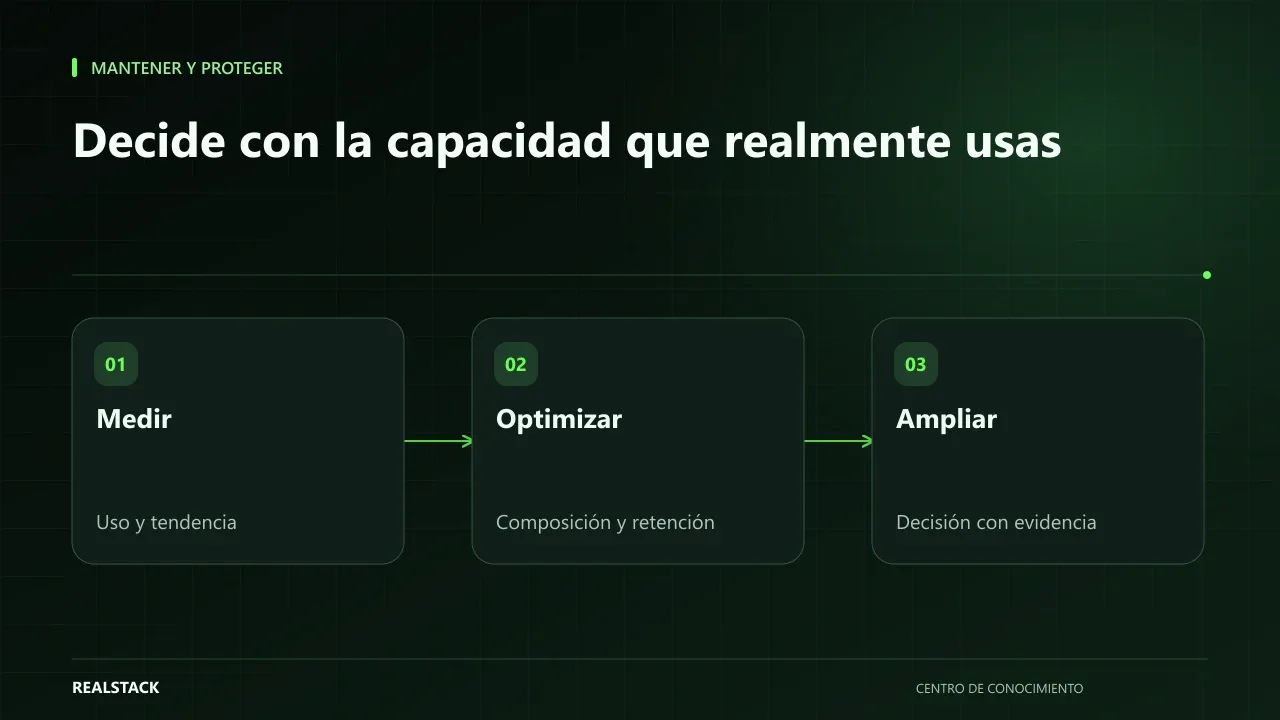
CSV log to track weekly usage, limits, composition, retention and capacity of storage, and to document the decision to optimize, archive, or scale. Does not recommend deletions or automatic purchases.
From knowledge to practice.
Explore how we connect business and technology in real projects.